Crypto, Chokdi ane Compound Interest: ગુજ્જુ ઘરોમાં 'Money Talk' ની નવી ભાષા
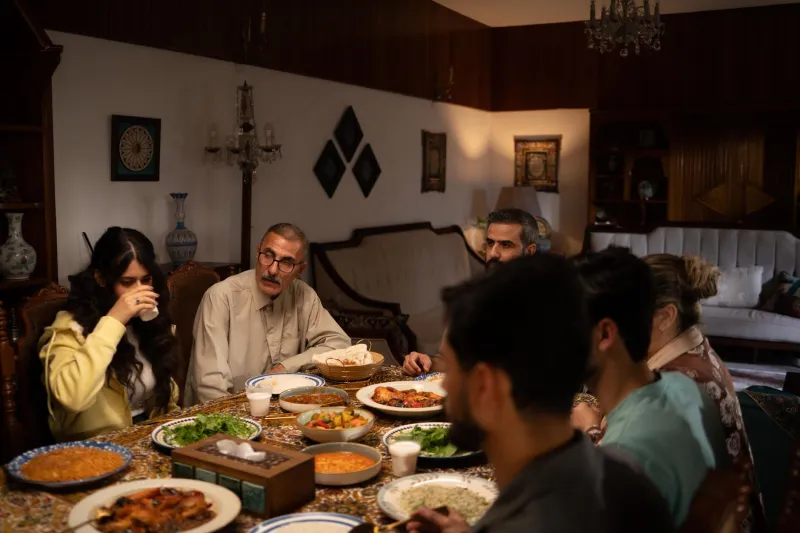
Scenario: Edison, New Jersey. Thanksgiving weekend. ગુજ્જુ family — three generations, one dining table, ane post-dinner chai.
Dadaji: "Savings account ane gold. બસ. બીજું બધું jua." (Gambling.) Beta, age 34: "Bapuji, S&P 500 index fund — 30 years average 10% return —" Dikri, age 26: "Actually, bhai, I put 15% of my paycheck into ETFs and 5% into crypto —" Mom: "Crypto? Paise ubhara chhe ke dhul?" (Is that money or dust?) Dadi, quietly: "Sona le lo. Sona kabhi dhoka nahi deta." (Buy gold. Gold never betrays.)
This conversation — or some version of it — happens in Gujarati-American homes across the country, from Parsippany to Plano, from Fremont to Fort Lauderdale. Financial literacy, generational wealth, risk tolerance — these are not just economic concepts in Gujarati households. They are cultural negotiations.
ગુજ્જુ 'Money DNA': ક્યાંથી આવ્યો?
Gujarat ની mercantile tradition centuries-old. Vanik community — traditional traders — wealth preservation ane creation ના principles DNA level ઉપર carry કરે. Frugality, diversification, relationship-based lending (ane borrowing), gold as hedge — ये habits immigrants સાથે America આવ્યા.
First generation Gujarati-Americans — '70s, '80s, '90s ના arrivals — ઘણા financially conservative, understandably. "We came with $8 in pocket," as the cliché — ane often true — story goes. Savings, property, business — ane children's education. These were the four pillars. Risk was the enemy.
And it worked. Gujarati-Americans today — statistically — among highest median income groups in US. Homeownership rates high. Business ownership significant. The conservative strategy delivered.
But the next generation grew up differently. American schools, financial literacy classes, Robinhood apps, Reddit forums (r/personalfinance, anyone?), ane a bull market that ran for over a decade. Their financial vocabulary is different. Their risk appetite is different. And honestly? Their financial landscape is different too.
Generation Gap ≠ Generation Conflict
Important nuance: disagreement does not mean dysfunction. Many Gujarati-American families are finding ways to bridge the financial philosophy gap — sometimes awkwardly, sometimes beautifully.
Surat-origin, now Atlanta-based Reena Patel (38) describes her family's "annual money summit" — her term, half-joking. "Every January, we sit — parents, me, my brother — and review. Their FDs, our 401k, the rental property in Surat, my brother's index funds. Dad used to dominate. Now it's a conversation."
Reena's father — retired engineer, lifelong FD loyalist — started asking questions about index funds three years ago. "He's 68 ane now has 10% of his savings in a Vanguard fund. Baby steps. But he got there."
Conversely, Reena admits her brother's crypto enthusiasm makes her nervous. "He's put real money in — not play money. I worry. But I also recognize — he's done his research, it's his money, his risk tolerance is different than mine."
Young ane Financially Curious: The New Gujarati Investor
Meet Arjun Shah, 24, Houston. Finance major, first job at an accounting firm. Invests in: 401k (employer match maxed), Roth IRA, S&P 500 ETF, small position in individual stocks, ane — yes — a small crypto allocation. "I'm not a crypto bro," he clarifies, defensive-ish. "It's 3% of my portfolio. Experimental. I know it could go to zero."
Arjun's parents — both doctors — are proud of his financial engagement but cautious about crypto. "Dad sent me three articles about crypto scams. I sent him back three articles about crypto's decade performance. We agreed to disagree."
What's notable about Arjun — and many young Gujarati-Americans like him — is not just the investment choices but the financial consciousness. Budgeting apps. Emergency funds. Student loan payoff strategies. Health insurance optimization. "My non-Gujarati friends are surprised how much I think about money," he says. "I tell them — it's cultural. We've been traders for centuries."
The 'Chokdi' Philosophy Meets the Algorithm
Traditional Gujarati business philosophy — the chokdi (crossroads, marketplace) mindset — was fundamentally about relationships, information networks, ane calculated risk. A Gujarati merchant in 1920s East Africa didn't have Bloomberg terminals, but they had information networks, community trust, ane generational knowledge.
Modern financial tools — robo-advisors, ETFs, algorithmic trading — are, in a sense, technological versions of the same principles. Diversification? Index funds. Information network? Reddit, financial podcasts. Community trust? Credit unions, community investment clubs.
Some young Gujarati-Americans are explicitly connecting these dots. Nisha Joshi (31), Chicago, runs a small investment club — "Desi Dollars" — with 12 members, mostly Gujarati-American women. "We pool knowledge, not money," she clarifies. "Every month, someone presents an investment thesis. We discuss, debate, challenge. Very Gujarati — very marketplace."
What Both Generations Can Learn
Honest truth: neither generation has it completely figured out.
Older generation's wisdom — patience, frugality, avoiding lifestyle inflation, emergency savings, property ownership — these principles are timeless. Many young Americans — regardless of ethnicity — struggle with basics that Gujarati families often have ingrained.
Younger generation's strengths — tax-advantaged accounts, low-cost index investing, financial technology, global diversification, impact investing — these are genuinely powerful tools that older generations sometimes underutilize.
The richest Gujarati-American households — anecdotally and statistically — often combine both. Conservative foundation (emergency fund, owned home, no high-interest debt) with growth-oriented superstructure (diversified investments, business ownership, human capital investment).
Conversation > Conflict
Financial therapy is a growing field, and Gujarati-American families — like many immigrant families — carry specific financial traumas and triumphs that shape money behavior. The immigrant who arrived with nothing and built everything: that story creates both resilience and anxiety. The child who grew up in scarcity watching parents sacrifice: that creates both gratitude and, sometimes, overcorrection.
The healthiest families — across the dinner table conversations, across the Thanksgiving chai — are finding common ground. Not in investment choices necessarily, but in values: financial security, family responsibility, generational wealth building, ane yes — calculated, informed risk-taking.
Dadaji's gold. Beta's index funds. Dikri's crypto experiment. Mom's rental property instinct. These are not enemies. They are, potentially, a beautifully diversified family portfolio.
Perhaps that's the most Gujarati thing of all — seeing the whole picture, finding the value in each piece, ane building something that lasts.
Chha? (Right?)